New Customs Law: what changes for the Mexican importer
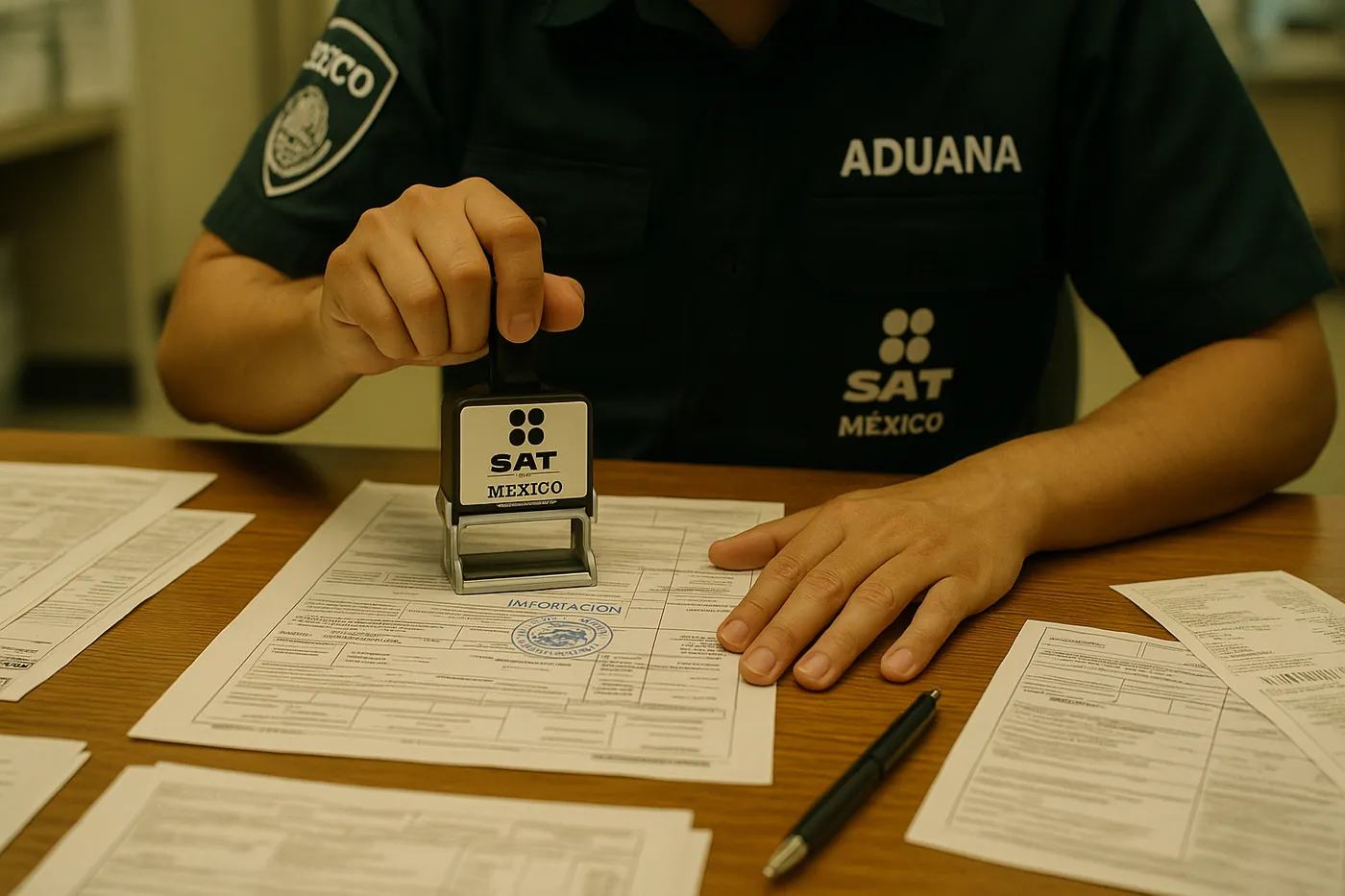
For years, many Mexican importers treated customs compliance as a formality "the customs broker takes care of." Recent reforms to the Customs Law changed that logic: today the authority expects the importer to prove, with documentation and traceability, that the operation was legitimate from start to finish. This guide summarizes what changed and how to prepare, in the language of operations, not litigation.
From declaring to demonstrating
The underlying shift is cultural before it is legal: we moved from a model where declaring correctly on the pedimento was enough, to one where you must be able to demonstrate the reality of the operation when the SAT asks. Tariff classification, customs value, origin of the goods and chain of custody stopped being isolated data points and became a file that must hold together as a whole.
In practice, that means an invoice, a certificate of origin or a packing list no longer live in scattered emails: they are part of a single file per operation that the authority can review electronically.
Four obligations that tightened
Electronic file. The duty to integrate and keep the documentation supporting each import is reinforced. The usual reference is articles 36-A and 59 of the Customs Law; without that file, the importer has no defense in a review.
Traceability. The authority looks for consistency between what was declared and what actually happened: supplier, manufacturer, shipment, entry into the country and final destination. Gaps in the chain are risk signals.
Joint liability. The importer is liable for classification or valuation errors, even when a third party made them. Delegating the operation does not delegate legal responsibility.
Electronic enforcement. Reviews no longer depend on a physical visit: the SAT cross-checks pedimentos, CFDI and regulatory databases automatically, detecting inconsistencies at scale.
Importing well is no longer enough; you must be able to prove you imported well, per operation and at any time.
What you can do today
You don't need to wait for an audit to put your operation in order. Three concrete steps make the difference:
- Centralize the file per operation. Gather invoice, pedimento, certificates, permits and proof of origin in one place for each import, not per client or per month.
- Validate before you buy. Confirm tariff classification, NOMs and non-tariff regulations before placing the order, while you can still change course at no cost.
- Leave a trail of every decision. Record who did what and when. Traceability is about people as much as documents.
How a traceability platform helps
Organizing all of this in spreadsheets and emails is possible, but fragile. A foreign-trade project management platform keeps each operation's file complete, with all parties collaborating inside and a log of milestones with date and evidence. With AI assistance, you can also classify goods, detect missing documents and anticipate regulatory requirements without relying on one person's memory.
The goal is not "more software": it's to reach a SAT review with the confidence that everything is integrated, kept and ready to be demonstrated.
Organize your next import with AI
Build your electronic file, validate compliance by stage, and collaborate with your customs broker. Free to start.
Analyze your operation freeThis content is for guidance only and is not legal or tax advice. Customs rules change and their application depends on each case; always verify the current regulations for your operation with your customs broker and legal counsel.